Posts

Showing posts with the label futurityit

Empowering Crisis Response: The Vital Role of Emergency Management Software

Image
In the face of challenges, time is of the essence. As the world struggles with an increasing frequency of natural disasters and unexpected emergencies, the need for effective emergency management solutions has never been greater. Enter the era of one-stop-shop emergency management software , a game-changer in organizing a quick and coordinated reaction when tragedy strikes. This blog delves into the critical role that this cutting-edge software plays in minimizing the impact of emergencies and safeguarding communities. Integrated Command and Control The ability to provide a single command and control center is one of the notable advantages of emergency management software. This single hub allows emergency responders, government agencies, and organizations to streamline communication and collaboration, resulting in a more coordinated response. Rapid decision-making is critical in a crisis, and this software serves as the nerve center, facilitating seamless information sharing. Real-Time...
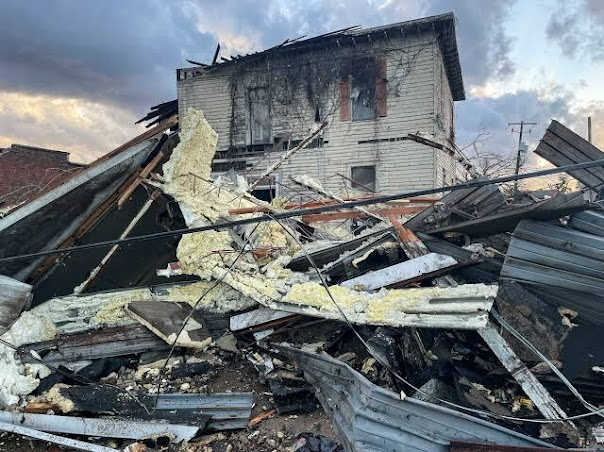
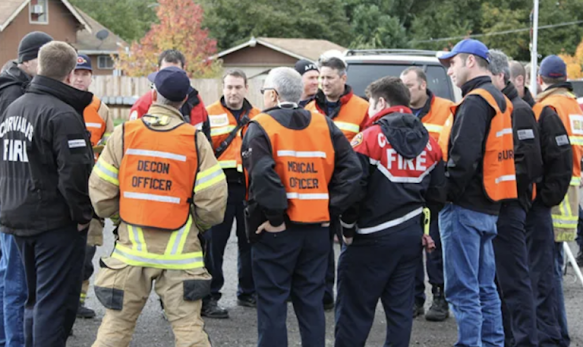
Blueprint for Resilience: A Comprehensive Approach to Emergency Management

Image
Effective emergency management is essential to preserving lives and lessening the effects of natural catastrophes in the face of nature's unpredictable powers. Because of innovative technology and smart planning, the State of Alabama has made great progress in strengthening its preparedness in emergency management . Professionals undertake training drills and forward preparations for probable disasters, reporting natural events in real-time. In this blog, we'll explore the programs that have changed the state's emergency preparedness management. Real-Time Reporting The ability to report natural phenomena in real time is a fundamental component of preparedness strategies. Modern technology and reliable communication infrastructure have made this feasible. Experts are now able to quickly identify and communicate information regarding hurricanes, flooding, tornadoes, and other calamities by utilizing state-of-the-art equipment.  Forward Planning Professionals' commitment t...

Managing Disasters: An All-Inclusive Strategy for Preparedness and Reaction

Image
Unexpected disasters can occur, leaving businesses and communities to deal with the fallout. A strong plan for disaster preparedness and response is essential during these crucial times. We are aware of the gravity and immediate effects of these occurrences, and our state-of-the-art software serves as a lighthouse for efficient mitigation. The Actuality of Catastrophes Natural or artificial disasters can strike without notice, wreaking havoc on large areas and affecting lives. Proactive disaster preparedness and a prompt, well-coordinated response are critical to minimizing the damage. Giving Businesses Access to Cutting-Edge Software We understand that effective disaster management is necessary. Our cutting-edge software acts as a comprehensive remedy, helping businesses handle the challenges of disaster response, mitigation, and recovery with ease. Key Features of Our Disaster Preparedness and Response Software Meaningful Analytics: Our software uses data analytics to give business...

Leverage Advanced Technological Innovations to Mitigate The Impact of Disasters

Image
In the face of increasing natural disasters, technology has emerged as a vital supporter in the field of disaster management. These innovations facilitate response efforts and contribute mainly to mitigating the impact of disasters before they occur. The following description throws light on cutting-edge technologies that are revolutionizing strategies for mitigation in disaster management . Early Warning Systems: Advanced meteorological and seismological tools provide real-time data on impending disasters. Early warning systems enable authorities to issue timely alerts, giving communities precious minutes or hours to prepare and evacuate if necessary. Remote Sensing and GIS Technology: Remote sensing satellites and Geographic Information Systems (GIS) allow for accurate mapping and monitoring of disaster-prone areas and the damage in different areas after disasters. This data aids in risk and damage assessment, planning, and resource allocation for mitigation in disaster management ....

From Response to Resilience: A Guide to Managing Natural Calamities

Image
Natural disasters have the power to ruin lives and destroy communities. These include floods, wildfires, hurricanes, and earthquakes. Even if we cannot stop these things from happening, we may significantly lessen their effects by using sensible management techniques. The complex work of managing natural catastrophes necessitates coordination, preparation, and funding at the municipal, state, and federal levels. We will examine the essential components of managing natural disasters and developing resilience in the face of difficulty in this blog. Preparedness and Education: Education is the first line of defense. Communities must be informed about the types of natural disasters that can occur in their area, as well as the best ways to prepare. Governments, local authorities, and organizations should offer workshops, drills, and educational materials to raise awareness and ensure citizens know what to do during a disaster. Early Warning Systems: Timely information is crucial. Governm...